This is a true cold hardy ginger that will add a tropical look to a shady nook in your garden.
Unlike Asarum, Costus, and other plants that are falsely called "ginger", Zingiber mioga is a true ginger and member of the Zingiberaceae family. It is a cousin to the ginger root you buy at the grocery store, Zingiber officinale. Unlike the ginger you buy at the grocery store, the roots of Zingiber mioga are not the portion of the plant that is eaten. Instead the unopened flower buds, called hana-myouga, are the edible plant part.
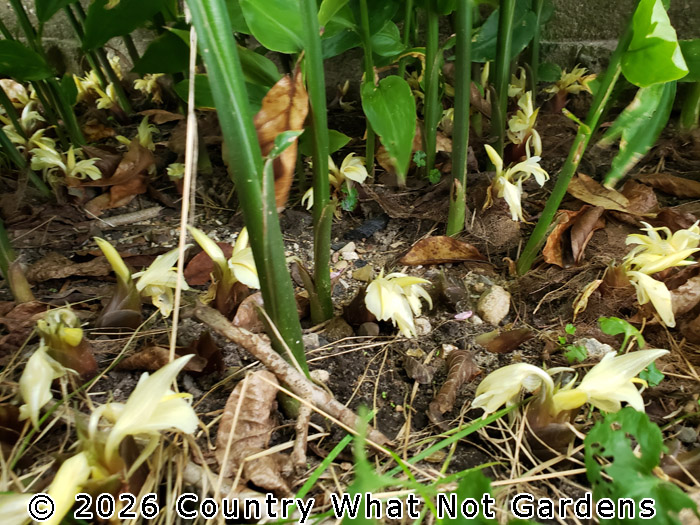
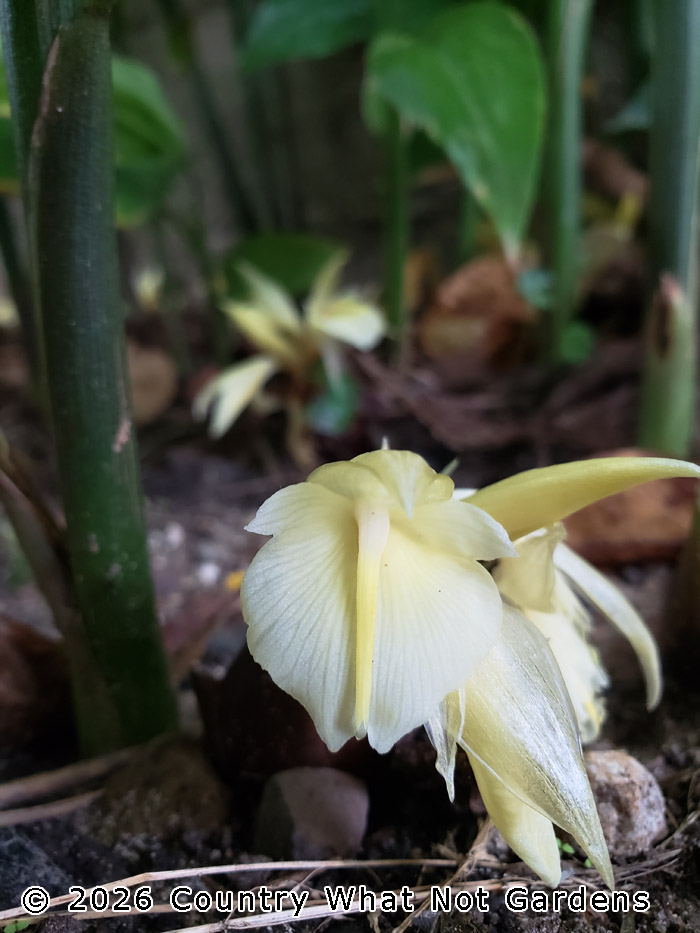
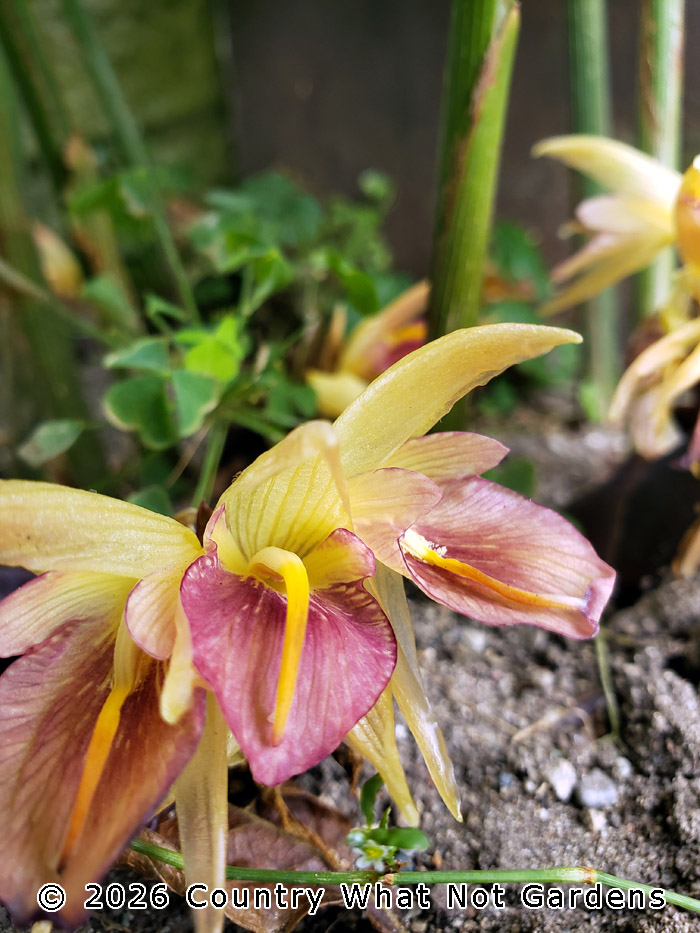
If the flowers are open as in the photos below, it's too late to pick the buds.
The unopened thumb-size to a bit larger flower buds can be found at ground level under the stems and foliage. Zingiber mioga flowers from the ground in late summer to early fall. When the buds are grown and almost ready to open they are harvested with a quick snap or a sharp knife and then prepared. Wash off any soil from the buds, peel off any tough outer layers, and trim the basal ends.
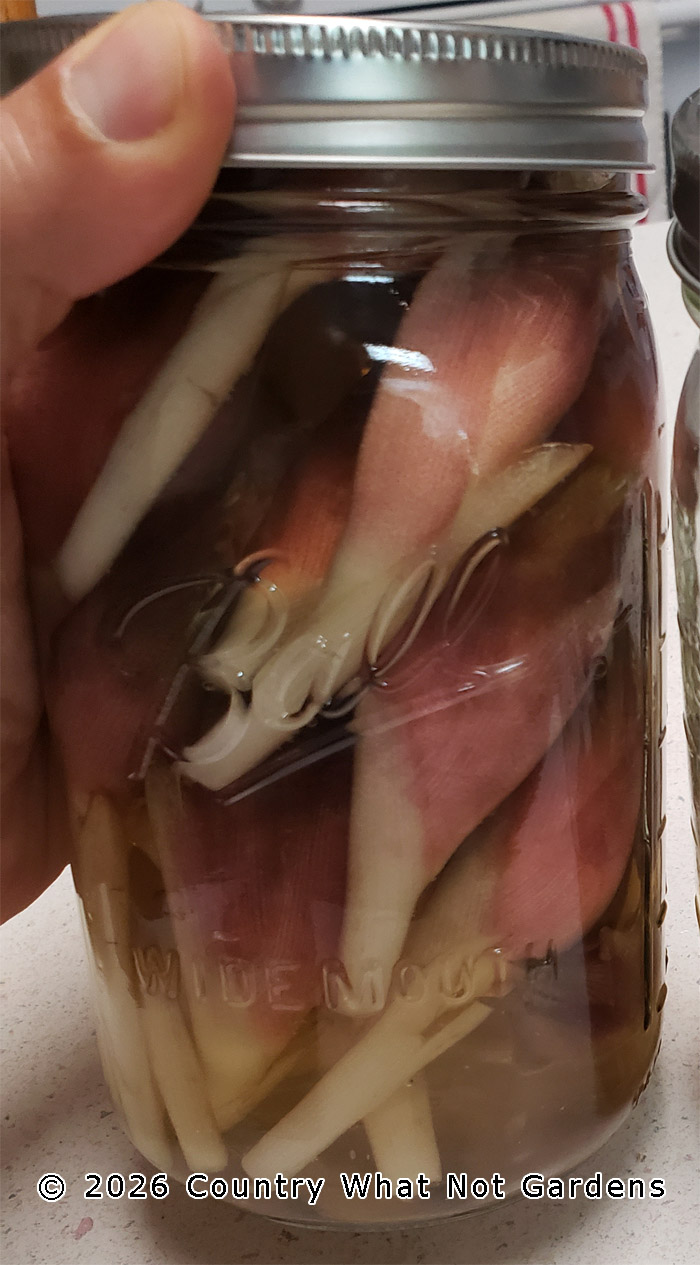
Next in a small pan combine about 1/2 cup of rice vinegar, 1/4 cup of sugar (I like organic cane sugar), 1/4 cup of water, and one teaspoon of salt. Heat the mixture until everything is dissolved.
Allow this mixture to cool.
You can optionally blanch the flower buds before pickling, but I forego that because I like the crunch.
Place about a dozen flower buds in a glass pint jar. After the pickling liquid has cooled pour that into the jar with the flower buds and make sure those buds are all covered. Pop that tasty goodness into the fridge for a good three days. When those are all pickled you can slice those buds up and serve them over cold dishes like salads or cold soba noodles. They're also great served over warm dishes such as stir fry and steamed rice. They can even be added to soup right before serving. Heck, I eat them on their own too.
Someone is reading this asking, "What does pickled hana-myouga taste like?" I'm glad you asked. "It tastes like pickled hana-myouga.", I say with a grin. It really has its own taste. It's a little spicy, a little zesty, a little sweet, and a little savory. It makes a great palate cleanser between dishes of other foods. No, it doesn't taste like ginger root (Zingiber officinale).
So how does one grow this friend of garden and kitchen? Myouga likes a shady location with morning sun. If you live in the cooler end of its growing range you can plant it next to the house foundation for extra shelter. Yes, I know the soil is dry in that location because the house roof sheds the rain away. Dry winters are a must or else the roots will turn to mush before spring. In fact, I cover mine with an upside-down tub filled with straw over winter. This keeps it extra dry and cozy until spring.
Up to 4 feet in height. Give it well drained soil. Some organic matter is fine. Average moisture is good. Morning sun or dappled shade. I've found it to be fairly drought-tolerant once established.
Zones 6-9
Zingiber mioga: From division - OOS




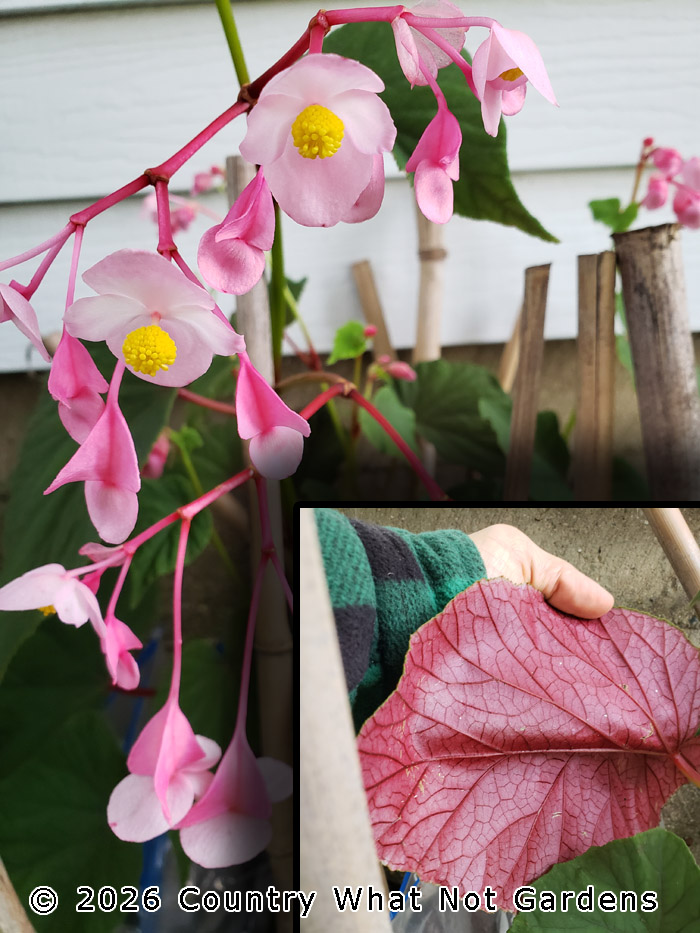 Begonia grandis
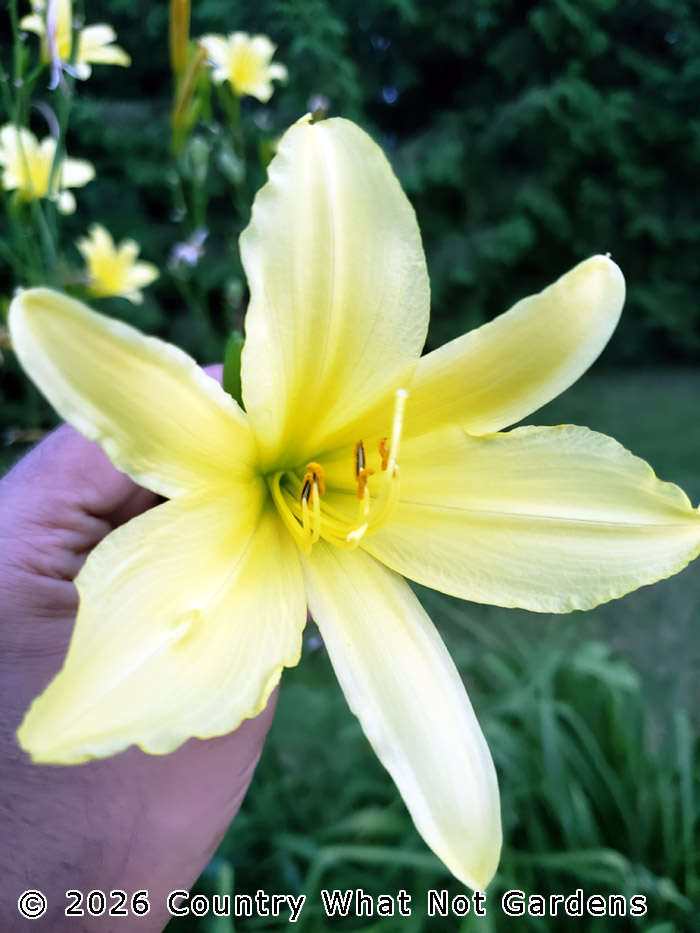 Hemerocallis thunbergii
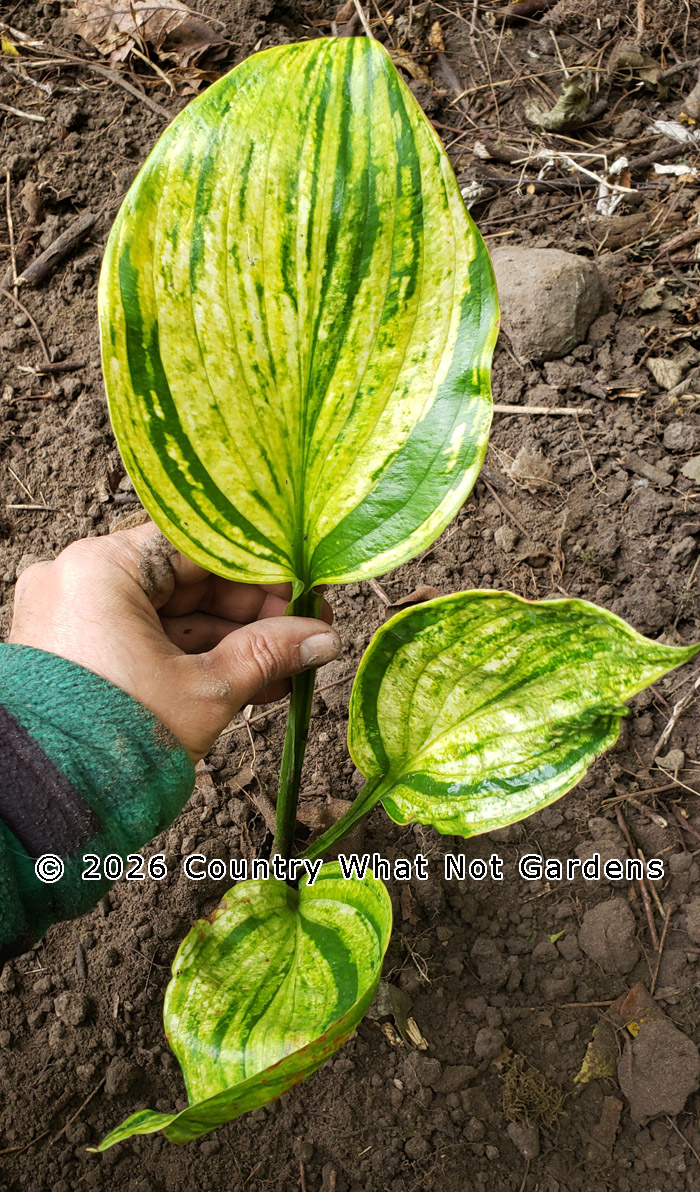 Hosta 'Gunther's Prize'
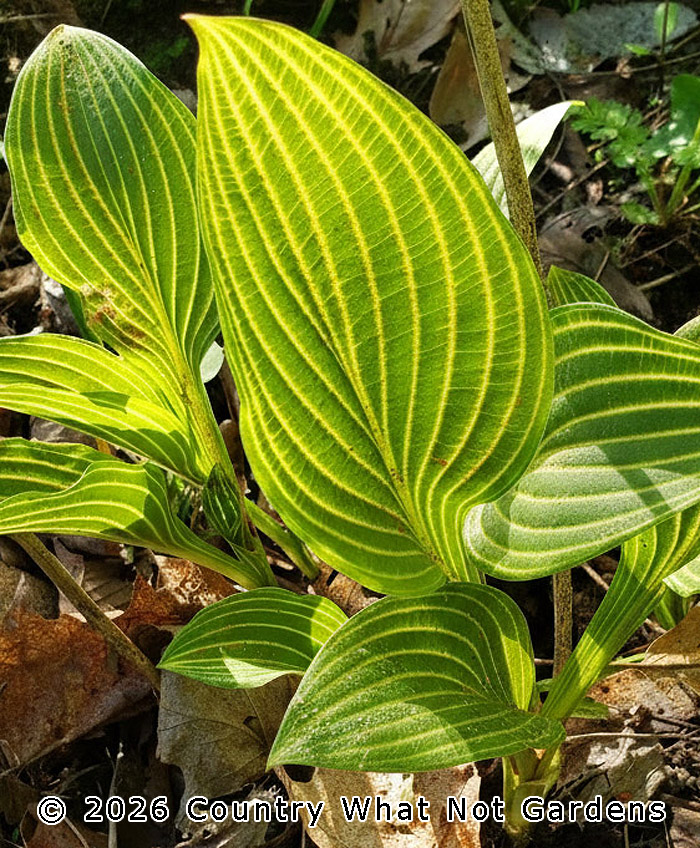 Hosta rectifolia 'Mito no Hana'
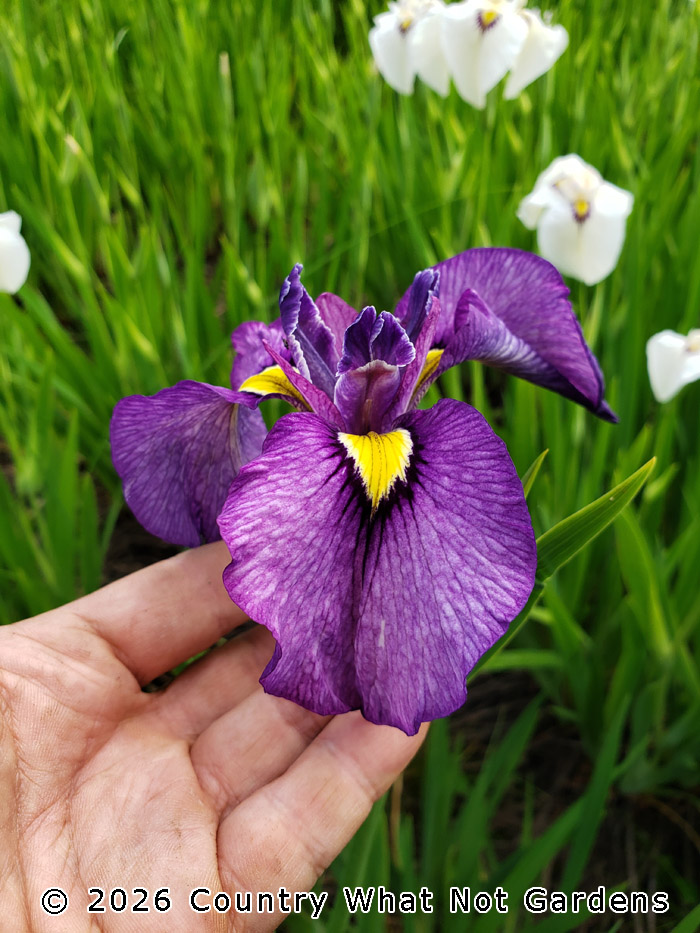 Iris pseudata
'Shiryukyo'
Iris pseudata
'Shiryukyo'
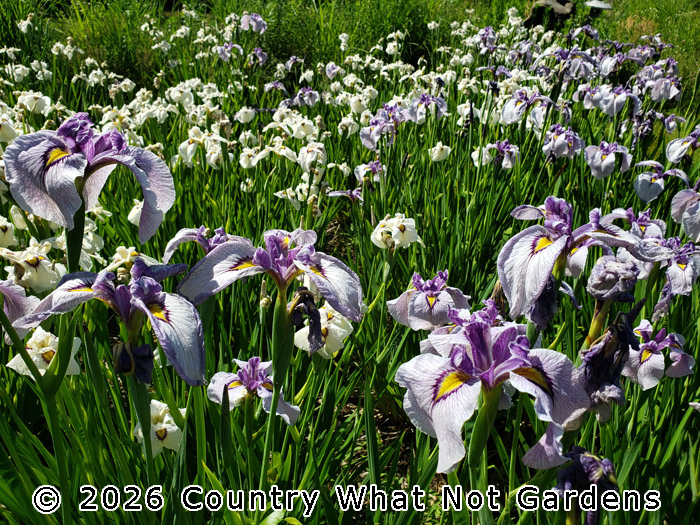
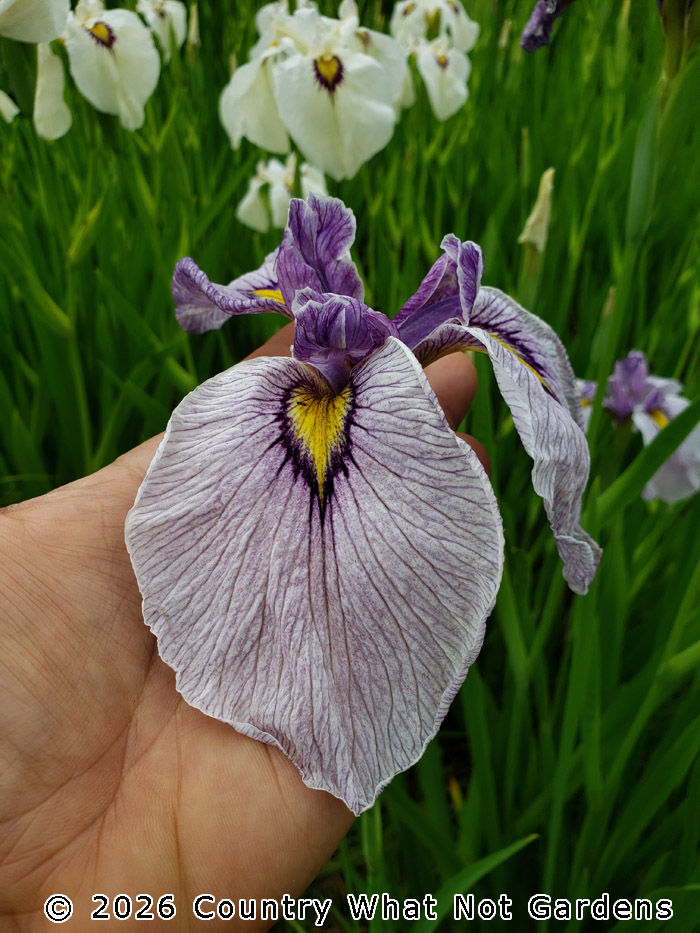 Iris pseudata 'Takamagahara'
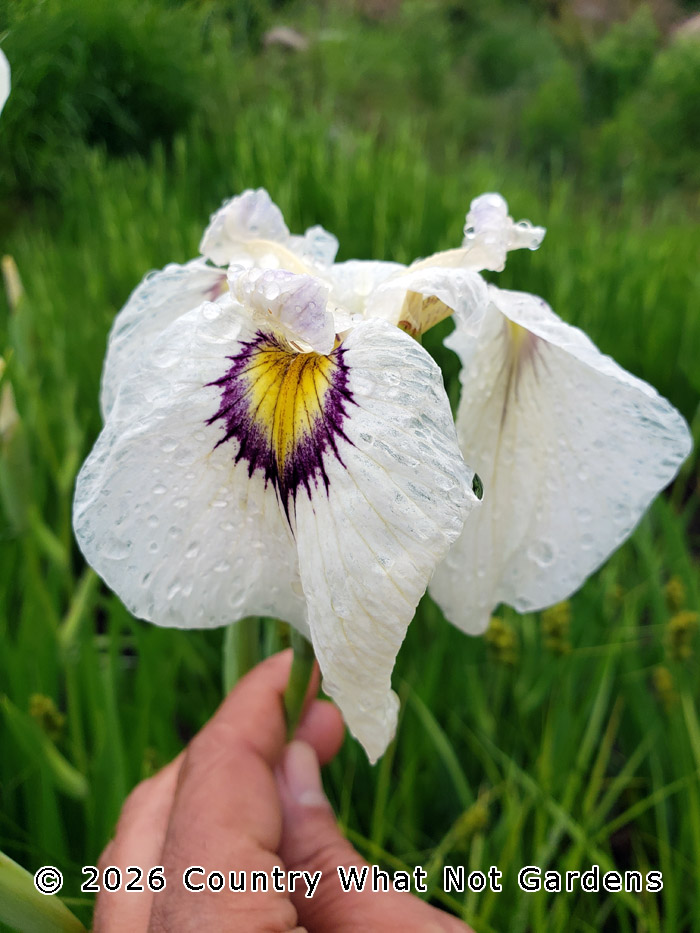 Iris pseudata 'Yukiyanagi'
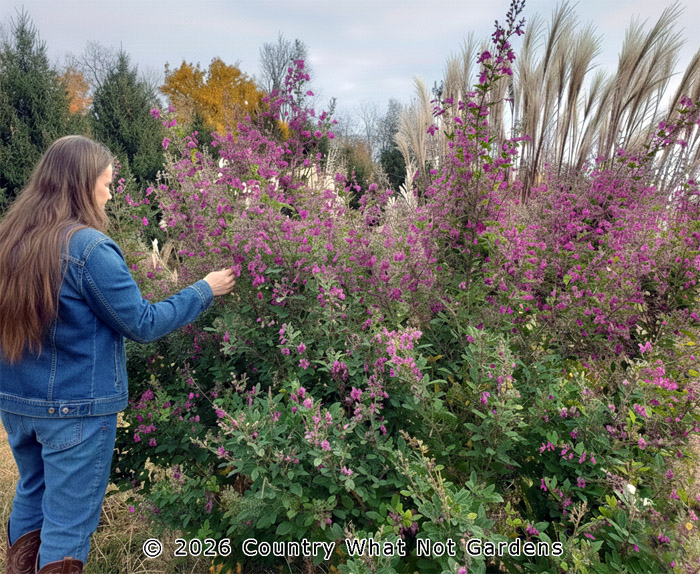
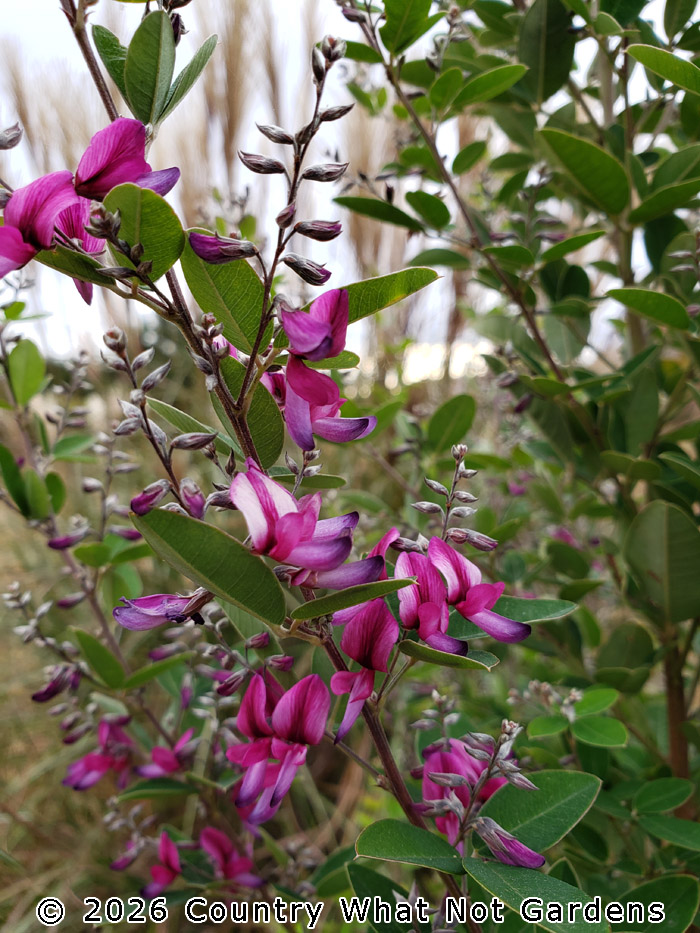 Lespedeza thunbergii subsp. thunbergii 'Little Volcano'
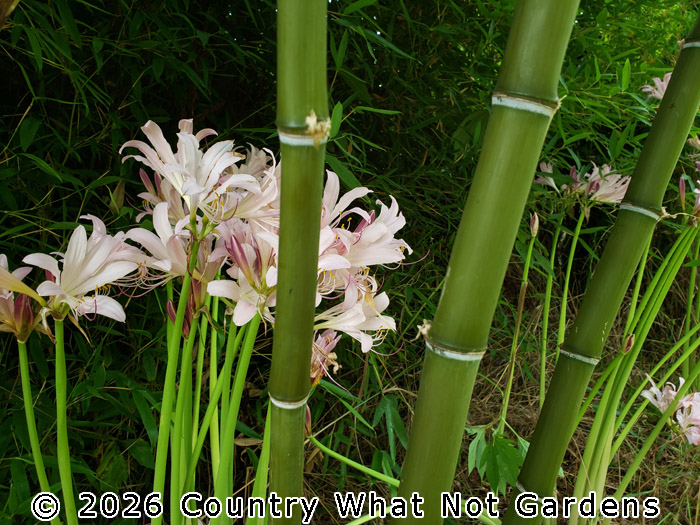 Lycoris squamigera
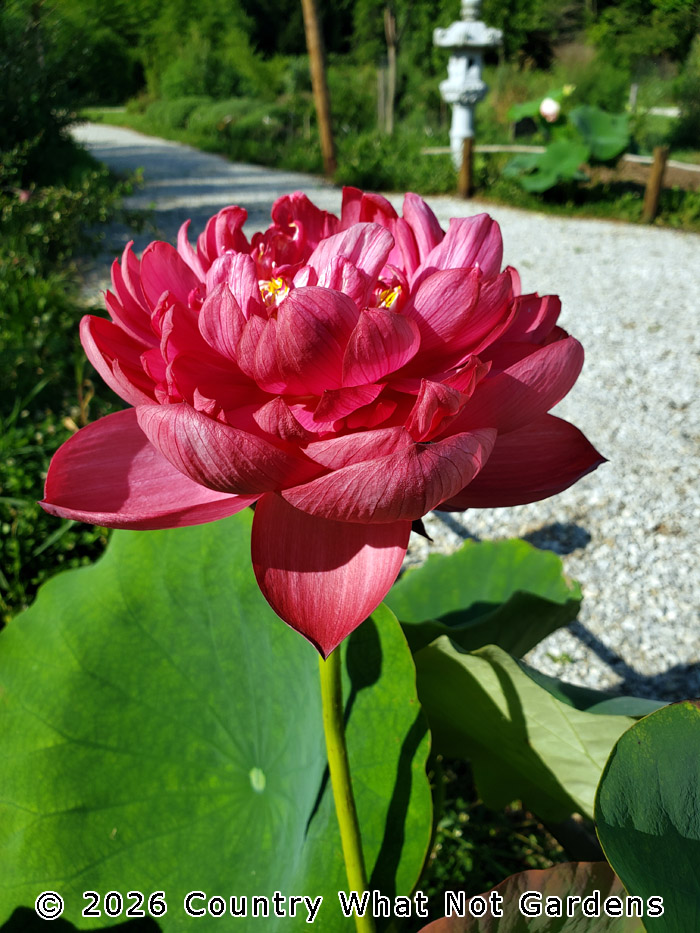 Nelumbo 'Beijing 2018'
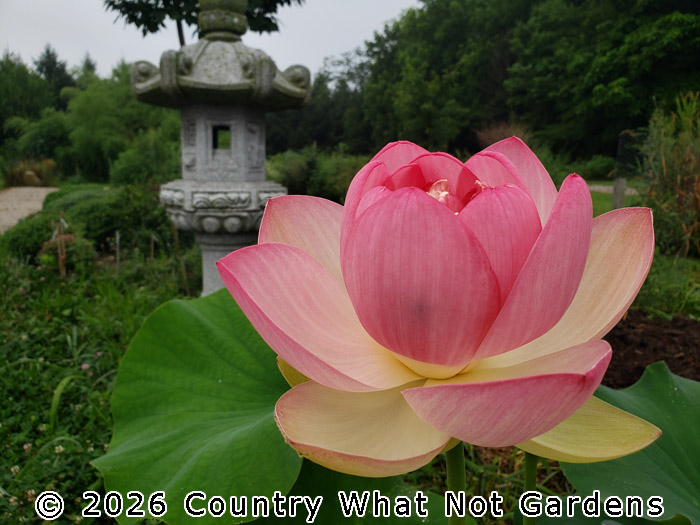 Nelumbo 'Mrs. Perry D. Slocum'
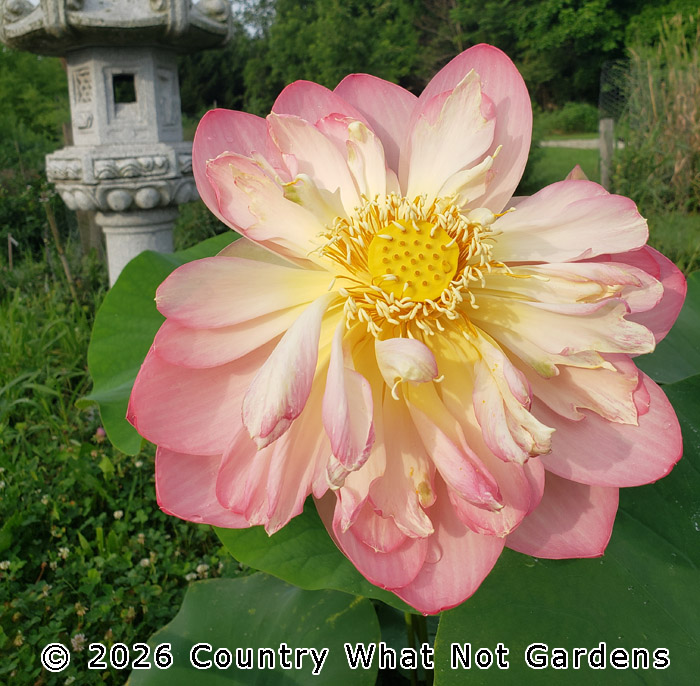
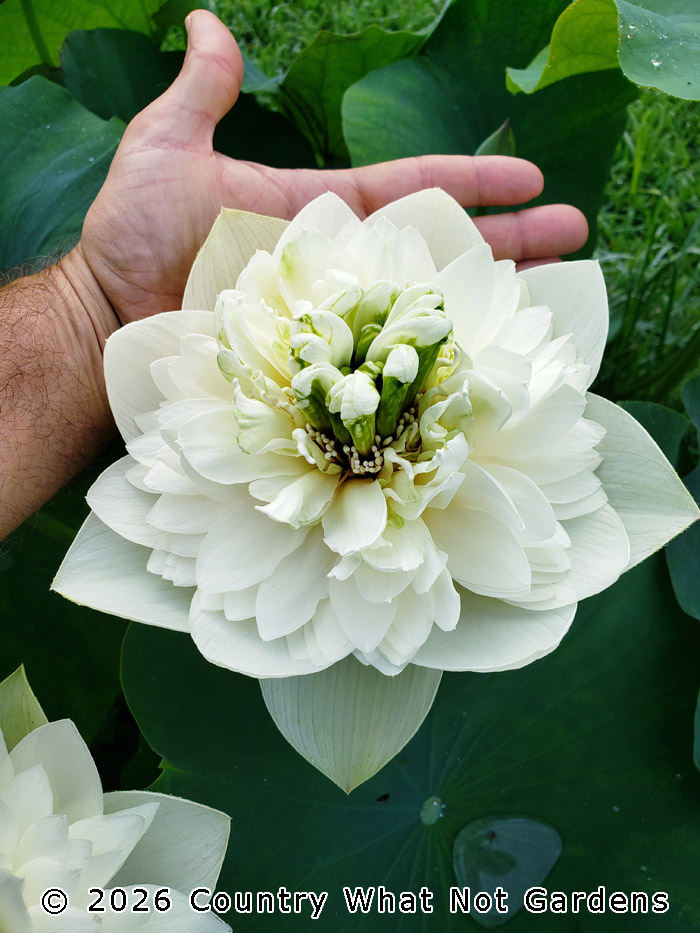 Nelumbo 'Zu Cui'
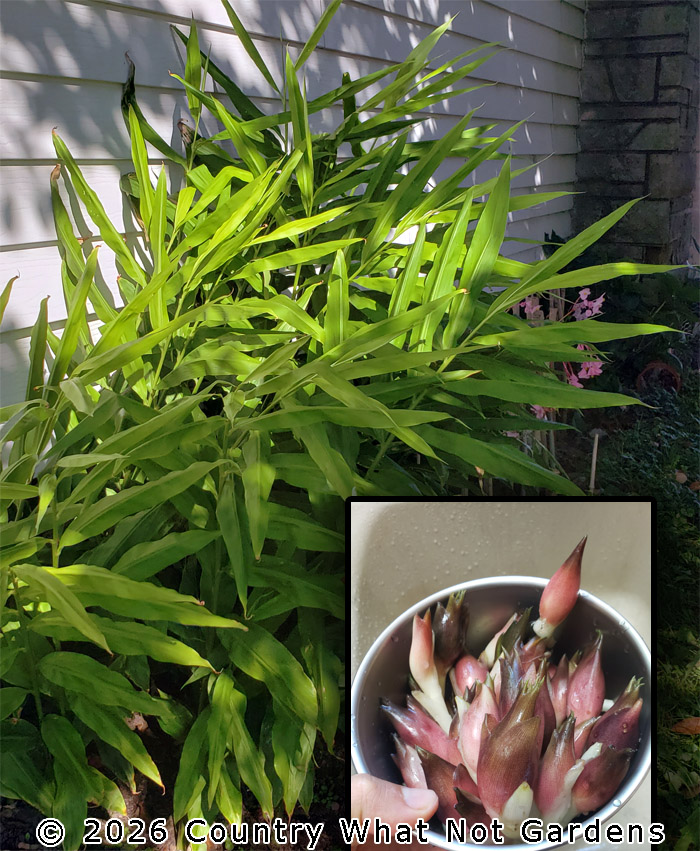 Zingiber mioga
 Zingiber mioga 'Crug's Zing' BSWJ4379